What a Legacy PHP Code Audit Should Deliver
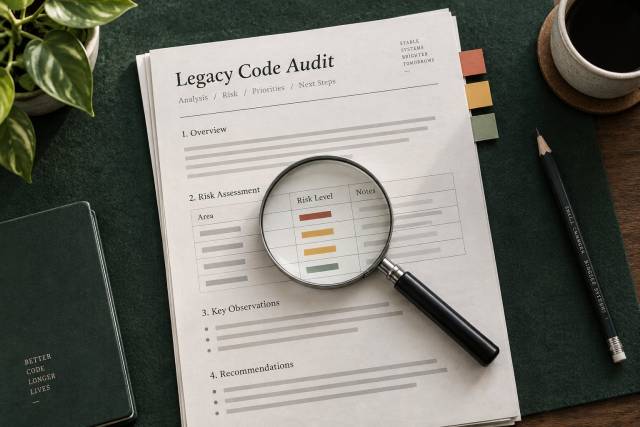
A legacy PHP code audit should deliver evidence, prioritized risks, reproducible findings, and a modernization roadmap tied to business outcomes.
 Mike Lopez
Writing
A legacy PHP code audit should deliver evidence, prioritized risks, reproducible findings, and a modernization roadmap tied to business outcomes.
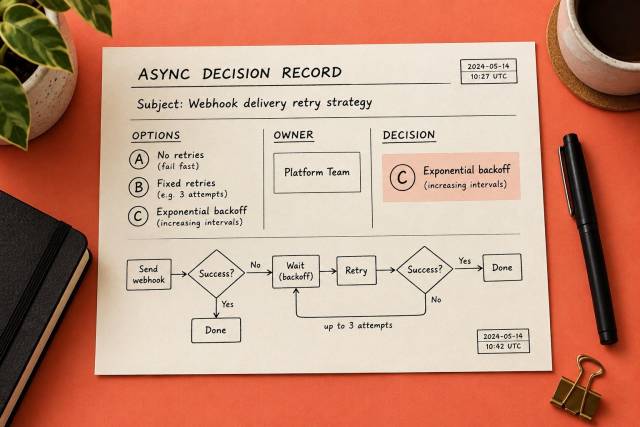
Make async decision-making work for remote development teams with clear owners, proposals, response windows, and final records. Resolve decisions without endless comment threads.
My WordPress to static site move gave mikelopez.com a $0 hosting bill, simpler maintenance, a smaller attack surface, and fast Cloudflare Pages delivery, with AI remaining optional.
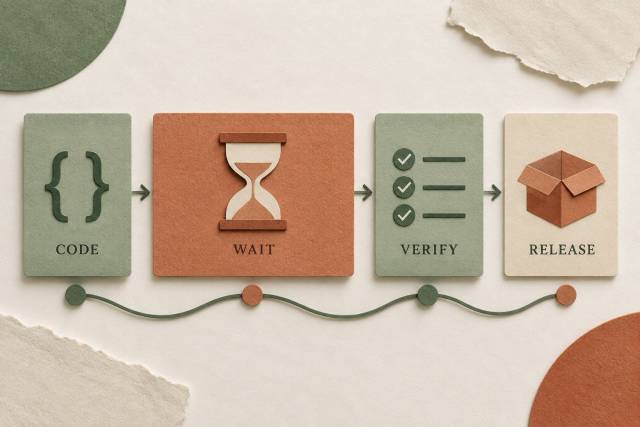
Build software delivery estimates that include reviews, testing, dependencies, and release work. Use a practical worksheet to separate effort, waiting, assumptions, and forecast changes.
Choose a legacy PHP modernization strategy with a practical decision matrix for incremental refactoring, replatforming, and full rewrites.
Spot a slipping software deadline through aging work, missed evidence, and unresolved dependencies. Use a practical risk review to make scope and date decisions while options remain.
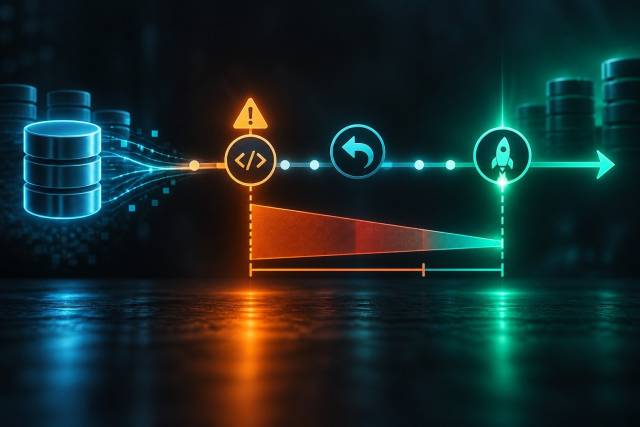
Upgrade legacy PHP with Rector in controlled version steps, using dry runs, tests, static analysis, small commits, and a clear rollback path.
Redesign remote team status meetings around decisions, useful updates, and human connection. Test a lighter meeting rhythm that protects focus without leaving colleagues isolated.
Add PHPStan to a legacy PHP codebase without blocking delivery by choosing a useful starting level, creating a baseline, and reducing it in CI.
Track remote development progress with accepted outcomes, visible blockers, and useful forecasts. Build a lightweight weekly report that helps managers act without monitoring every developer.