Big Picture
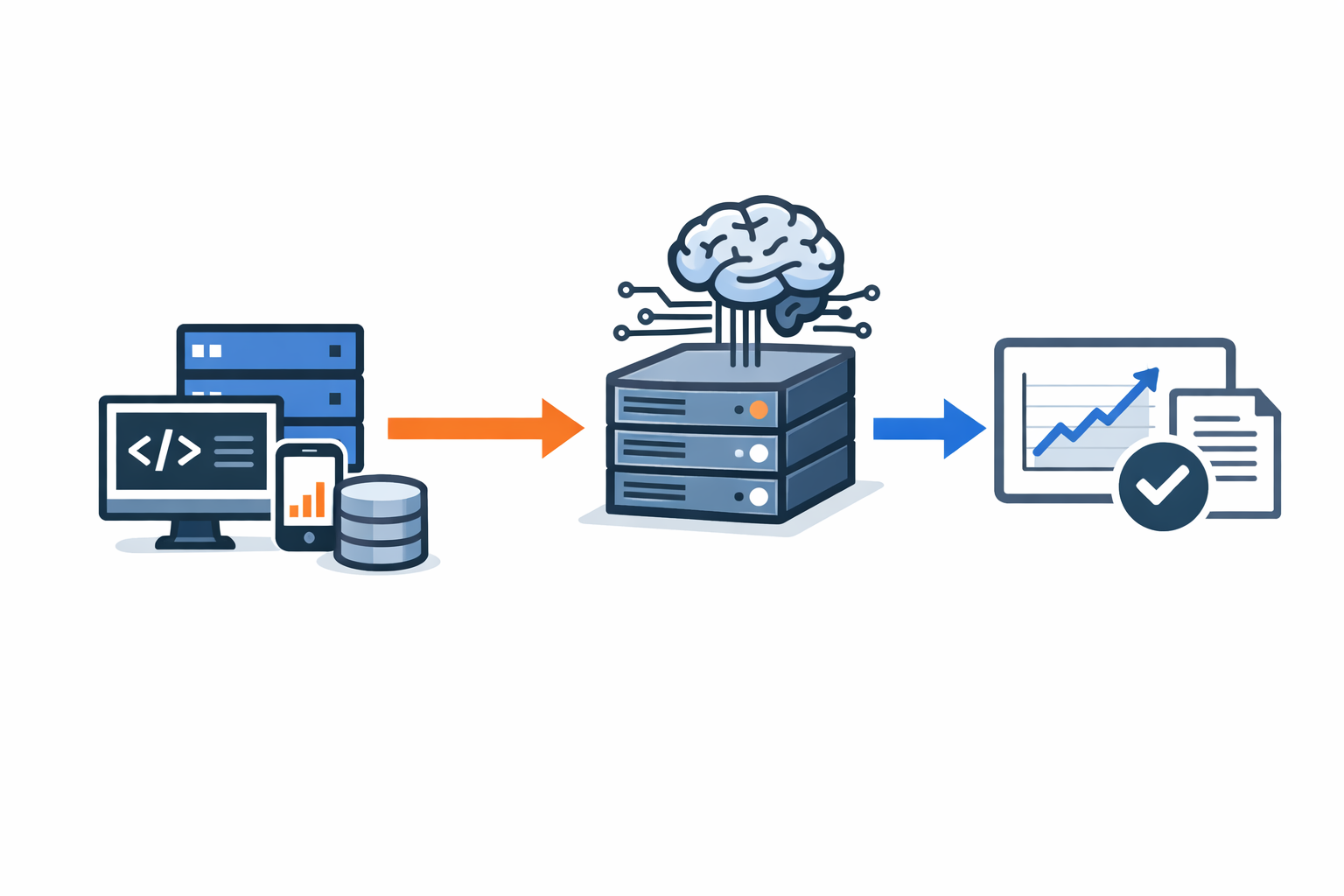
This technical guide delves into practical ways to integrate machine learning capabilities into PHP applications. It covers approaches like using external AI APIs (for example, cloud-based prediction services) and leveraging PHP bridges to run ML models (such as calling a Python microservice for heavy ML tasks). The post walks through an example of adding a machine learning feature to a web app—such as an image recognition or recommendation engine—demonstrating the end-to-end integration process. By successfully blending PHP with advanced AI components, the author highlights a sophisticated skill set, reassuring recruiters of their ability to implement complex, intelligent features in software projects.
Business Impact for Teams
A good implementation improves practical machine-learning adoption in day-to-day PHP work and reduces repetitive work that drains senior developers. That combination gives teams room to focus on architecture, product fit, and hard engineering problems.
Practical Rollout Steps
For Integrating Machine Learning into Your PHP Applications, begin with one deliverable tied to practical model usage in production PHP workflows. Keep a human review checkpoint, compare baseline metrics against two sprint cycles, and only expand after the workflow proves stable in production.
Practical Example (PHP)
<?php
$payload = [
    'customer_id' => 42,
    'total_spend' => 1299.50,
    'orders_last_90_days' => 6,
];

$prediction = call_ml_service('/predict/churn', $payload);
if ($prediction['will_churn']) {
    notify_account_team($payload['customer_id']);
}
AI Prompt Sample
Explain how to integrate a churn prediction model into a PHP app.Best Practices Checklist
- Start with a narrow prediction task and clean data.
- Choose a simple model before moving to complex ones.
- Measure real-world impact, not just model accuracy.
In Short
- PHP can leverage ML effectively through APIs or services.
- Start small, prove value, then scale.